
Get our FREE Project Planning Guide
"*" indicates required fields
Traditional driveways and patios force thousands of gallons of rainwater to rush off your property every year, overwhelming storm systems and potentially causing drainage problems. While most homeowners accept this as inevitable, permeable pavers offer a revolutionary alternative that works with nature instead of against it.
Homeowners increasingly face challenges with surface water runoff, flooding, and drainage issues around their properties. Traditional paving solutions—concrete, asphalt, and even standard pavers—contribute to rather than solve these problems by creating impervious surfaces that shed 100% of rainfall. This runoff carries pollutants, overwhelms municipal systems, and often creates erosion and flooding issues on neighboring properties.
Permeable pavers represent a fundamental shift in how we approach water management in hardscape design. This comprehensive guide explores the science behind permeable paving technology, examines real-world drainage improvements, and demonstrates how these systems transform landscape water management while creating beautiful, functional outdoor spaces.
The Science Behind Permeable Paver Technology
How Water Movement Actually Works
Traditional paving creates an impermeable barrier that forces all rainwater to flow across the surface and into drainage systems. A typical 1,000 square foot driveway receiving just one inch of rainfall generates over 600 gallons of runoff—water that must go somewhere, often creating problems for property owners and municipalities alike.
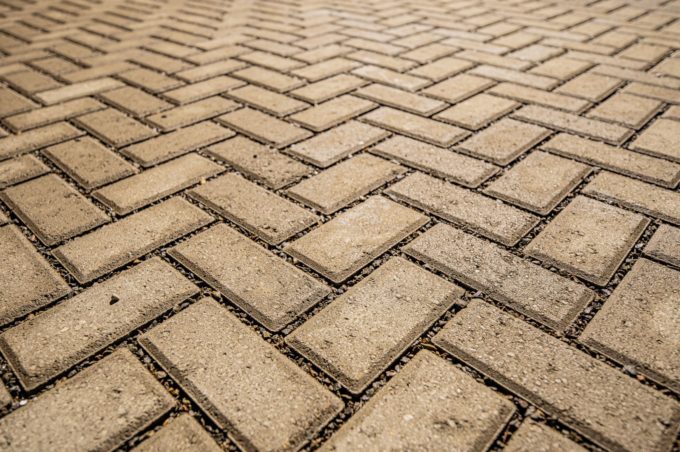
Permeable paver systems work on a completely different principle. Rather than shedding water, these systems allow rainfall to infiltrate through specially designed joints between pavers. It’s important to understand that water doesn’t pass through the pavers themselves—Western Interlock’s permeable pavers are just as dense and durable as standard pavers. Instead, water enters through wider joints filled with specialized aggregate materials.
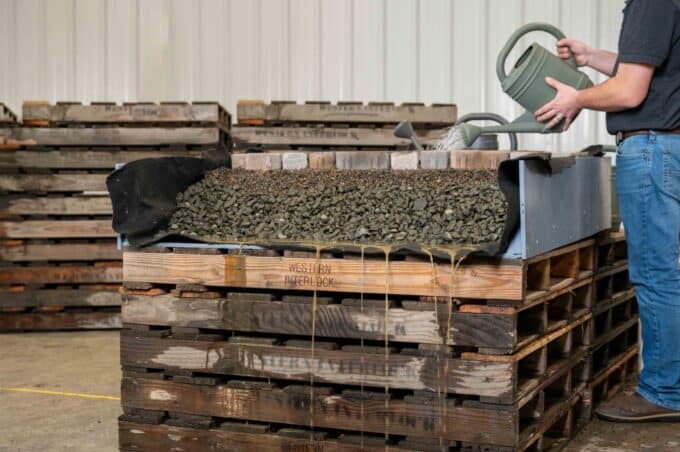
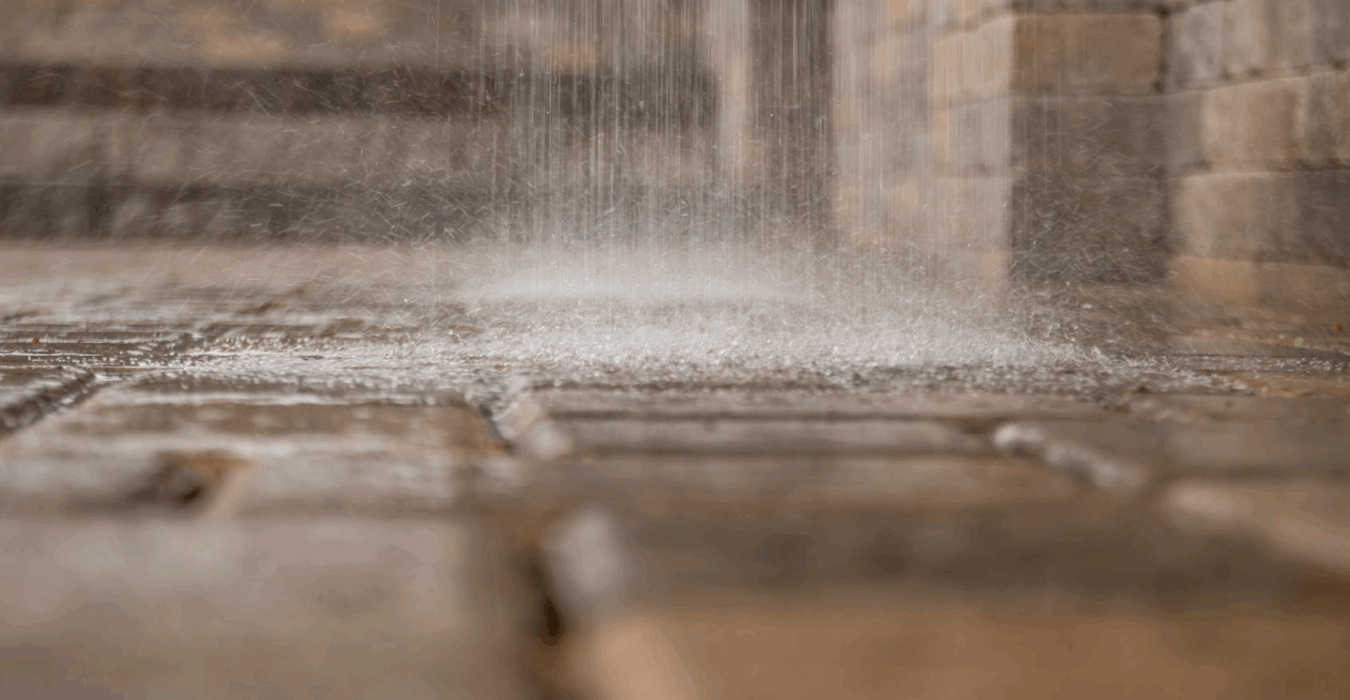
The infiltration process begins immediately when rain hits the surface. Water flows into the joints and down through carefully engineered layers of progressively larger stone materials. This base construction temporarily stores water during heavy rainfall, then releases it gradually into the surrounding soil and groundwater system.
Typical permeable paver systems achieve 5-10% open area through joint spacing, which may seem modest but provides substantial water management capabilities. During heavy regional storms, this open area can handle infiltration rates that dramatically reduce surface runoff compared to traditional paving.
The Complete System Components
Understanding permeable paver performance requires looking at the entire system, not just the surface pavers. Paver selection forms the foundation, with Western Interlock offering several permeable options designed for different applications and aesthetic preferences. Each product maintains the same structural integrity as standard pavers while accommodating the wider joint spacing necessary for water infiltration.
Joint materials play a crucial role in system performance. These specialized aggregates must maintain permeability while providing stability and preventing weed growth. The material size and composition affect both drainage rates and long-term performance, requiring careful selection for regional conditions.
Base construction represents the heart of any permeable system. Multiple layers of engineered stone create storage capacity and support structure simultaneously. The base typically consists of progressively larger aggregate sizes, with the finest material at the surface transitioning to coarser stone deeper in the system. This layered approach provides both structural support for vehicle loads and temporary water storage during heavy rainfall.
Subgrade preparation ensures optimal long-term performance. Soil assessment determines infiltration rates and helps designers understand how quickly the system can release stored water. In areas with clay soils or poor drainage, additional measures like underdrain systems may be necessary to prevent water accumulation.
Water Storage and Release Mechanisms
The base layers function as temporary reservoirs during rainfall events. A typical 6-8 inch base course can store approximately 30-40% of its volume in water, providing substantial capacity for even heavy storms. This storage prevents overwhelming the surrounding soil while allowing gradual infiltration over hours or days following rainfall.
Controlled release occurs through natural soil infiltration processes. As stored water gradually moves into the surrounding soil, the system resets its capacity for future rainfall events. This natural cycle works particularly well in our regional climate, where rainfall often occurs in distinct events rather than continuous precipitation.
Overflow management addresses extreme weather conditions that exceed system capacity. Properly designed permeable installations include provisions for handling water volumes beyond normal capacity, typically through connections to traditional drainage systems or strategic grading that directs excess water to appropriate areas.
Seasonal performance varies based on temperature, soil conditions, and rainfall patterns. During winter months, frozen conditions may temporarily reduce infiltration rates, but the system continues functioning and returns to full capacity during thaw periods. This resilience makes permeable pavers particularly suitable for our climate conditions.

Drainage Improvements: From Problems to Solutions
Addressing Common Drainage Challenges
Surface runoff reduction represents the most immediate and measurable benefit of permeable paver systems. Studies consistently show 70-90% reduction in runoff volume compared to traditional paving materials. For a typical residential driveway, this translates to thousands of gallons of water managed on-site rather than contributing to drainage problems downstream.
Erosion control improves dramatically with permeable installations. Traditional paving concentrates water flow, creating channels and erosion patterns that damage landscaping and threaten structural foundations. Permeable systems distribute water infiltration across the entire surface, eliminating the concentrated flows that cause erosion problems.
Foundation protection becomes more effective when water infiltrates gradually rather than flowing rapidly along foundation walls. Permeable pavers reduce hydrostatic pressure against foundations while maintaining proper drainage away from structures. This controlled water management helps prevent basement flooding and foundation settling issues.
Landscape preservation benefits from the natural water cycle that permeable systems restore. Rather than diverting all rainfall away from planted areas, permeable installations allow water to recharge surrounding soil naturally. This supports healthier plant growth while reducing irrigation requirements during dry periods.
Stormwater Management Benefits
Peak flow reduction represents a critical benefit for both individual properties and entire watersheds. Traditional development increases peak stormwater flows that overwhelm drainage infrastructure during heavy rainfall. Permeable pavers reduce these peak flows by absorbing and storing water temporarily before releasing it gradually over extended periods.
Water quality improvement occurs through natural filtration as water passes through the base materials. This process removes oil, sediment, and other pollutants typically found in surface runoff. This filtration effect improves water quality entering groundwater systems and reduces pollution in streams and waterways.
Groundwater recharge supports natural water cycles that development typically disrupts. By allowing rainfall to infiltrate naturally, permeable systems contribute to maintaining groundwater levels that support wells, springs, and stream base flows during dry periods.
Municipal system relief reduces the burden on overtaxed storm drainage infrastructure. Many regional communities struggle with aging storm systems that cannot handle increased runoff from development. Permeable pavers provide distributed stormwater management that reduces demand on these systems while providing property-level benefits.
Site-Specific Performance Factors
Soil type significantly influences system performance and design requirements. Sandy soils provide excellent drainage but may require different base construction than clay soils. Understanding soil conditions helps determine appropriate system design and expected performance levels.
Additionally, slope and grade impact affects both installation techniques and performance characteristics. Gentle slopes work well for standard permeable installations, while steeper grades may require modified designs or terracing to prevent water from flowing across the surface rather than infiltrating through joints.
Drainage area calculations help determine how much impervious area a permeable installation can serve. A permeable paver driveway can often handle runoff from roof areas or other impervious surfaces, multiplying the drainage benefits beyond just the paved area itself.
Integration with existing systems allows permeable installations to work with traditional drainage infrastructure. Connections to existing storm systems provide overflow capacity while permeable areas handle normal rainfall volumes. This hybrid approach maximizes benefits while ensuring reliable performance during extreme weather events.
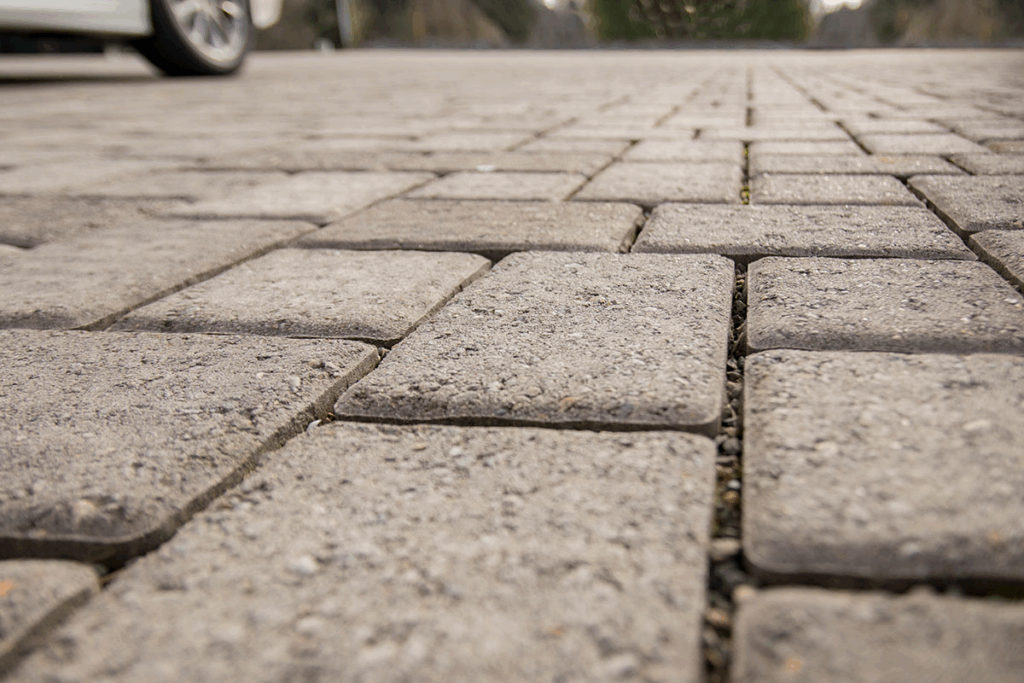
Western Interlock Permeable Paver Options
Holland Permeare System
Holland Permeare provides an 8.7% open area for optimal drainage performance while maintaining the classic rectangular proportions that make Holland Stone one of our most popular products. This permeable option delivers substantial water management capabilities while providing the design flexibility to coordinate with standard Holland Stone in non-permeable areas.
Installation applications include driveways, walkways, and patio areas where drainage management is desired without sacrificing durability or appearance. The familiar rectangular shape works with traditional laying patterns while accommodating the wider joint spacing necessary for water infiltration.
Color options coordinate seamlessly with standard Holland Stone, allowing designers to combine permeable and standard products for comprehensive design solutions. This flexibility enables using permeable pavers in high-runoff areas while maintaining cost efficiency in areas where drainage management is less critical.
Performance characteristics include full load-bearing capacity suitable for residential vehicular traffic combined with infiltration rates that handle substantial rainfall volumes. The dense, durable paver construction ensures long-term performance under both traffic loads and weather exposure.
Park Permeare and Camino Permeare
Park Permeare offers contemporary square design with a 5.9% open area, providing effective drainage management with clean, modern aesthetics. The square format works particularly well for geometric patterns and contemporary landscape designs while delivering measurable stormwater management benefits.
Camino Permeare combines European cobblestone aesthetic with drainage functionality, featuring varied sizes that create a 6.7% and 5.8% open area depending on the specific product. This option provides old-world charm while addressing modern drainage requirements.
Design integration allows combining permeable and standard pavers effectively within single installations. Strategic placement of permeable areas can maximize drainage benefits while controlling costs and maintaining design continuity across the entire project.
Application guidelines help determine the most appropriate product for specific situations. Park Permeare works well for contemporary designs and areas requiring maximum infiltration, while Camino Permeare suits traditional designs and areas where moderate drainage improvement is sufficient.
System Compatibility and Design Flexibility
Pattern options affect both appearance and drainage performance. While most traditional patterns work with permeable pavers, joint alignment and spacing must be carefully managed to ensure optimal water infiltration while maintaining structural integrity.
Border integration using standard pavers provides design definition while controlling costs. Permeable areas can be bordered with standard pavers, creating visual boundaries while concentrating drainage benefits where they’re most needed.
Color coordination between permeable and standard products ensures cohesive design appearance. Western Interlock’s coordinated color offerings make it possible to create seamless transitions between permeable and standard areas.
Installation and Performance Considerations
Proper Installation Requirements
The biggest difference between permeable and traditional paver installations begins with the base preparation. The open-graded base materials and specialized construction techniques associated with permeable pavers creates the storage and filtration capacity that makes these systems effective.
Drainage system integration connects permeable installations to existing or new infrastructure appropriately. While permeable systems handle most rainfall on-site, connections to traditional drainage provide overflow capacity and ensure reliable performance during extreme weather events.
Quality control factors include proper joint spacing, base material selection, and installation sequencing. Each element affects long-term performance, making professional installation critical for achieving design drainage goals.
Professional installation benefits extend beyond proper construction to include system design, maintenance planning, and performance monitoring. Experienced installers understand how to adapt permeable systems to specific site conditions while ensuring optimal long-term performance.
Maintenance for Optimal Performance
Joint cleaning requirements involve periodic removal of debris and fine particles that could reduce infiltration capacity. This maintenance typically involves pressure washing or vacuuming joints annually or as conditions warrant.
Implementing routine inspection schedules will help identify potential performance issues before they become significant problems. Annual inspections can verify continued drainage effectiveness and identify areas needing attention.
Performance testing provides objective measurement of system effectiveness over time. Simple infiltration tests can verify that the system continues meeting drainage expectations and identify when maintenance is needed.
Restoration options address situations where infiltration capacity has decreased over time. In most cases, joint cleaning and aggregate replacement can restore full performance without major reconstruction.
Long-term Performance Expectations
Lifespan considerations indicate that properly installed and maintained permeable systems can provide effective drainage for decades. The dense, durable pavers maintain structural integrity while the drainage function continues with appropriate maintenance.
Performance degradation typically occurs gradually as fine particles accumulate in joints and base materials. Understanding this process helps property owners plan maintenance activities to maintain optimal performance.
Upgrade options may include enhanced drainage connections, expanded permeable areas, or integration with other green infrastructure elements. These improvements can enhance performance as property needs change over time.
Cost-benefit analysis demonstrates that permeable systems often provide superior long-term value compared to traditional drainage solutions. When environmental benefits, regulatory compliance, and property value enhancement are considered, permeable pavers represent an excellent investment option.
Real-World Applications and Results
Residential Success Stories
Driveway applications consistently demonstrate dramatic drainage improvement for homeowners dealing with runoff problems. Properties that previously experienced foundation flooding, erosion, or overwhelmed drainage systems find that permeable driveways eliminate these issues while providing attractive, durable surfaces.
Patio and walkway solutions address water management around entertainment and high-use areas. Permeable installations prevent puddling and improve usability while supporting landscape irrigation through natural water infiltration.
Integration with landscaping creates synergies between hardscape and planted areas. Permeable pavers can direct runoff from roofs and other impervious surfaces to support garden irrigation naturally while preventing erosion and water waste.
Problem-solving examples demonstrate the versatility of permeable solutions. Whether addressing basement flooding, landscape erosion, or municipal drainage requirements, permeable pavers provide effective solutions that improve both property function and environmental performance.
Regional Success Factors
Climate considerations demonstrate how permeable pavers perform exceptionally well in our wet conditions. The combination of frequent rainfall and moderate temperatures creates ideal conditions for permeable system operation.
Seasonal performance data shows that these systems continue functioning effectively year-round, including during winter freeze-thaw cycles. The resilience and reliability of permeable installations make them particularly suitable for our climate conditions.
Local soil compatibility varies across the region, but permeable systems can be adapted to work with different soil types through appropriate design modifications. Professional assessment ensures optimal performance regardless of specific site conditions.
Integration with natural systems supports regional ecosystem health while providing property-level benefits. Permeable installations complement natural drainage patterns and support environmental values important to residents throughout the region.

Transforming Water Management
Permeable pavers represent more than just an alternative paving solution—they’re a comprehensive approach to water management that benefits individual properties and entire communities. By working with natural water cycles rather than against them, these systems provide immediate practical benefits while supporting long-term environmental health.
The science behind permeable paving demonstrates how thoughtful engineering can solve practical problems while delivering environmental benefits. From reducing basement flooding to protecting water quality, permeable systems address multiple challenges through a single, attractive solution.
The investment value combines functional problem-solving, environmental benefits, and aesthetic appeal in a way that enhances property value while reducing long-term maintenance and drainage costs. When regulatory compliance and environmental benefits are considered, permeable pavers represent a good long-term investment.
Ready to explore how permeable pavers can solve your drainage challenges while creating beautiful outdoor spaces? Download our free Project Planning Guide to understand the complete process, evaluate your site conditions, and connect with certified installers who can design the perfect permeable paving solution for your property. This comprehensive resource includes everything you need to move from drainage problems to sustainable solutions with confidence.
Get our FREE Project Planning Guide
Tell us where to send it and we’ll email the backyard planning guide to you right away!
"*" indicates required fields