
Get our FREE Project Planning Guide
"*" indicates required fields
Standing in your driveway three years after installation, you notice the rich colors aren’t quite as vibrant as they once were. Is it time to reseal, or can you wait another year? Getting this timing right is crucial for protecting your investment.
Homeowners often struggle with sealing frequency, leading to either over-maintenance that wastes money and effort, or under-maintenance that results in premature deterioration and costly repairs. The key lies in understanding that sealing isn’t just about appearance—it’s about preserving the structural integrity and beauty of your paving stones for generations to come.
This guide provides clear, practical guidance on sealing schedules that protect your investment while avoiding unnecessary work and expense. You’ll learn to recognize the factors that determine sealing frequency, establish a maintenance routine that ensures lasting beauty, and identify the warning signs that indicate it’s time to reseal.
Understanding Paver Sealing: The Foundation of Long-Term Beauty
What Sealing Accomplishes for Your Driveway
Sealing your paver stones serves multiple critical functions that extend far beyond simple aesthetics. The protective benefits guard against oil stains from vehicles, organic stains from leaves and debris, and UV fading that gradually dulls your pavers’ natural colors. Without this protection, these elements penetrate deep into the paver surface, becoming increasingly difficult or impossible to remove over time.
Sealing also provides crucial structural support by stabilizing joint sand and reducing weed and insect infiltration. The sealer helps lock sand particles in place, preventing erosion that can lead to uneven surfaces and structural instability. This stabilization maintains the interlocking system that gives paver driveways their strength and durability.
From an aesthetic standpoint, sealing enriches color and maintains consistent appearance across your entire driveway surface. The enhancement brings out the natural beauty of your paver stones while creating a uniform look that adds significant curb appeal.
Most importantly, sealing serves as a first line of defense, extending the lifespan of your driveway. When you consider that a properly maintained paver driveway can last several decades, regular sealing represents a small investment that pays substantial returns.
The Science Behind Sealer Performance
Understanding how different sealers work helps you make informed decisions about maintenance timing. Penetrating sealers soak into the paver surface and typically last longer, while film-forming sealers create a surface layer that may require more frequent reapplication but often provide better color enhancement.
Pacific Northwest weather conditions significantly impact sealer longevity. Our region’s frequent rain can gradually wash away surface-level protection, while intense summer UV exposure breaks down sealer compounds over time. The combination of wet winters and dry summers creates unique challenges that affect how long sealer protection lasts.
Traffic wear from vehicle frequency and weight also influences sealer performance. Daily use from family vehicles creates gradual wear patterns, while occasional heavy vehicles like delivery trucks can accelerate sealer breakdown in specific areas. Understanding your usage patterns helps determine appropriate maintenance schedules.
For comprehensive information about different sealer types and their performance characteristics, explore our guide on understanding different types of paver sealers.
The Standard Sealing Schedule: Your Maintenance Roadmap
Initial Sealing Timeline (New Installations)
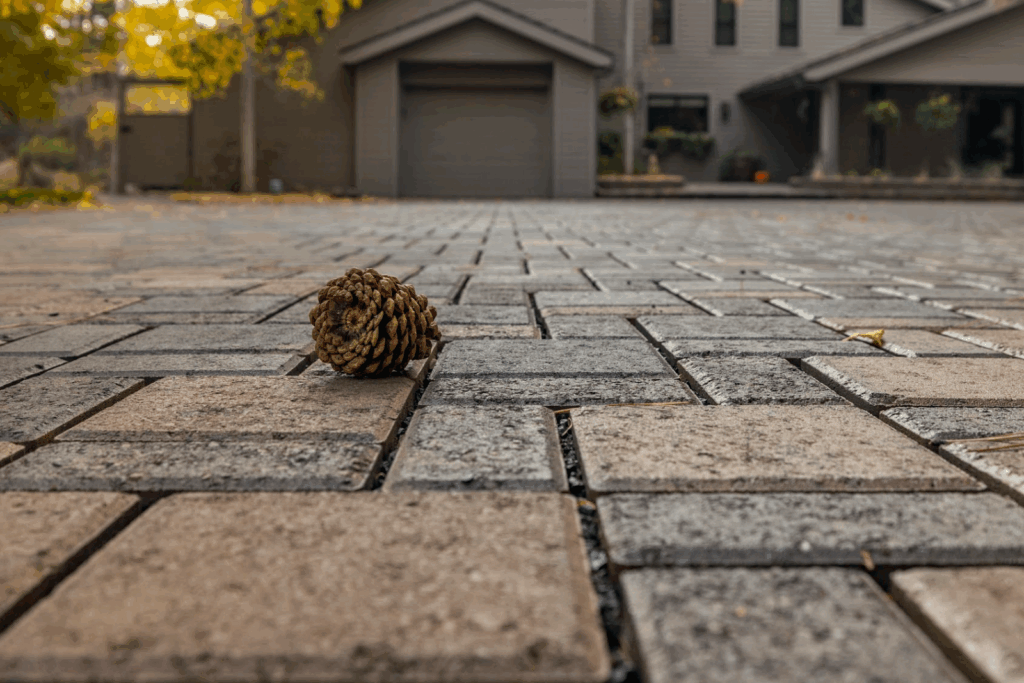
The 30-60 day rule represents one of the most important timing considerations for new paver installations. This waiting period allows efflorescence—natural mineral deposits that appear as white, chalky residue—to emerge and be cleaned away before sealing. Rushing to seal immediately after installation traps these minerals under the sealer, creating permanent discoloration.
This waiting period also ensures complete curing of both pavers and joint materials. New installations need time to settle and achieve full strength before sealer application. The curing process allows any excess moisture to evaporate, preventing sealer adhesion problems that can lead to premature failure.
Sealing too early creates several serious problems. Trapped moisture can cause sealer failure and peeling, requiring complete removal and reapplication. Efflorescence appearing under the sealer necessitates costly removal and cleaning processes. Poor adhesion leads to premature sealer breakdown, often within the first year rather than the expected 2-3 year lifespan. These problems can also cause discoloration and blotchy appearance that’s difficult to correct.
For more tips and tricks on what not to do, check out our video on the most common paver sealing mistakes.
Regular Maintenance Schedule
High-traffic driveways that see daily use typically require resealing every 2-3 years. Signs to watch for include increased water absorption, noticeable color fading, and joint sand loss around high-wear areas. The optimal timing falls in late spring or early summer when weather conditions provide the best curing environment.
Moderate-traffic driveways used primarily on weekends or for occasional vehicles can extend the schedule to every 3-4 years. Annual water testing and visual inspection help monitor sealer condition, allowing you to coordinate sealing with other landscape maintenance activities for efficiency.
Low-traffic decorative areas may only require sealing every 4-5 years, with focus on color enhancement and basic protection rather than heavy-duty performance. Even these areas benefit from sealing before winter weather exposure to prevent freeze-thaw damage.
The consequences of skipping regular resealing can compound over time. Stains become permanent and impossible to remove once they penetrate unsealed pavers. Joint sand erodes, creating pathways for weeds and insects that can destabilize the installation. UV damage causes irreversible color fading that no amount of cleaning can restore. Water penetration leads to freeze-thaw damage that can crack or shift individual pavers. Overall appearance deteriorates significantly, requiring costly restoration rather than simple maintenance.
Factors That Influence Sealing Frequency
Traffic and Usage Patterns
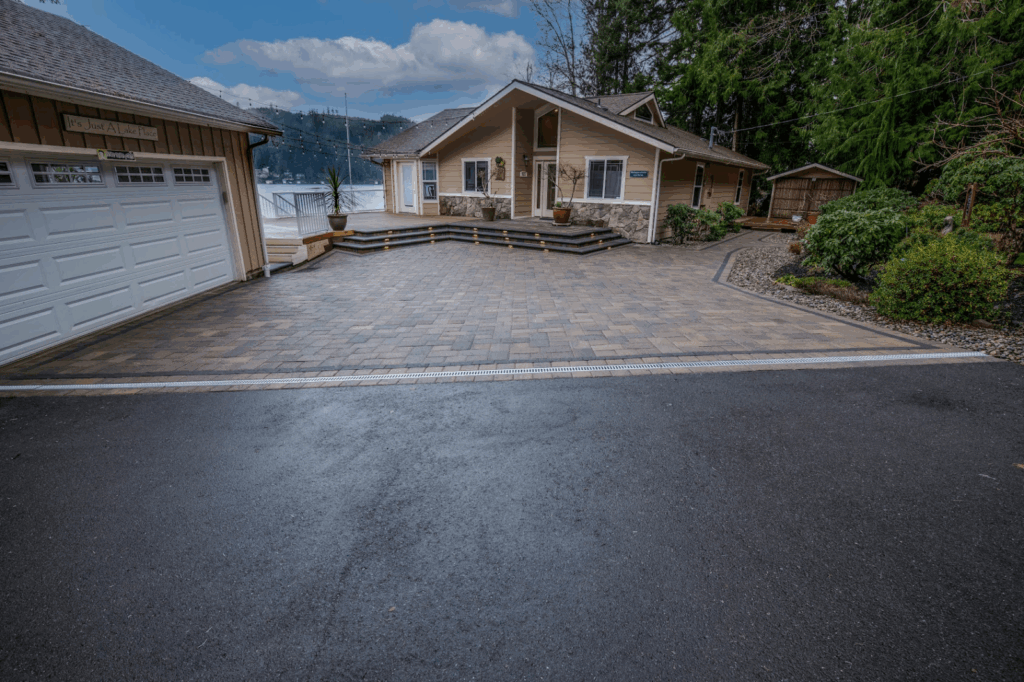
Heavy vehicle traffic from delivery trucks, RVs, or multiple daily vehicles significantly increases wear on sealer surfaces. These conditions may require annual touch-ups in high-wear areas, particularly around entry and exit points where turning and braking occur. Consider investing in higher-grade sealers designed for extended protection under demanding conditions.
Standard residential use involving daily family vehicles and occasional guests typically works well with the standard 2-3 year sealing schedule. However, monitor high-turn areas and entry/exit zones more closely, as these experience accelerated wear. Seasonal variations in traffic patterns—such as increased activity during summer months—also influence sealer longevity.
Environmental and Climate Factors
Pacific Northwest weather conditions create unique challenges for sealer performance. Our frequent rain gradually degrades surface-level protection, while summer UV exposure breaks down sealer compounds. Winter freeze-thaw cycles stress both pavers and sealers, potentially creating failure points. Shaded areas can often develop moss and algae growth that can compromise sealer effectiveness and create safety hazards.
Microclimate variations significantly impact sealing frequency. Coastal locations face salt air exposure that accelerates sealer degradation, while inland areas experience greater temperature variations. Urban settings expose driveways to air pollution and exhaust that can break down sealer compounds faster than rural environments. South-facing driveways experience more intense UV degradation, while heavily shaded areas retain moisture longer.
Ignoring these environmental factors leads to sealer degradation faster than expected, leaving pavers vulnerable to damage. Moss and algae growth creates slip hazards and permanent staining. UV damage occurs more rapidly in high-exposure areas, while improper sealer selection for specific conditions leads to premature failure and costly reapplication.
Sealer Quality and Paver Material Considerations
Premium sealers justify their higher cost through extended protection periods and superior performance. Budget sealers may require more frequent application, ultimately costing more over time. Professional-grade products often include warranties and manufacturer support that provide additional value and peace of mind.
Paver material characteristics also influence sealing frequency. Textured surfaces may hold sealer longer in crevices, extending protection periods, while smooth surfaces show wear patterns more clearly. Darker colors reveal fading more dramatically than lighter tones, affecting maintenance timing. Dense pavers respond differently to sealing than more porous options, requiring different approaches and schedules.
When material factors are overlooked, sealer selection doesn’t match paver characteristics, leading to suboptimal performance. Maintenance schedules that don’t account for material differences result in premature failure or unnecessary over-maintenance. Incompatible products can cause discoloration or adhesion problems, while ignoring surface characteristics leads to inconsistent results across different areas of your driveway.
Creating Your Personal Maintenance Schedule
The Annual Inspection Routine
Establishing a spring assessment routine in March or April provides the foundation for effective maintenance planning. After winter weather passes, conduct a thorough visual inspection of your entire driveway surface. Perform water absorption tests on representative areas, including high-traffic zones and areas with different sun exposure. Document any new staining, color fading, or joint sand loss that occurred during winter months.
During your inspection, look for specific indicators of sealer condition. Water should bead on properly sealed surfaces for several minutes rather than absorbing immediately. Color should remain consistent across the driveway surface, with no areas appearing significantly faded or dull. Joint sand levels should remain stable with minimal weed growth, and no new stains should have penetrated the surface.
Skipping annual inspections allows problems to compound and become more expensive to address. You’ll miss optimal sealing windows when weather conditions are ideal, turning minor maintenance into major restoration projects. Most importantly, you’ll lose opportunities for preventive care that maintains your investment at minimal cost.
The Simple Water Test
The water test provides a reliable, easy method for assessing sealer condition. Simply sprinkle water on several areas of your driveway and time how long it takes to absorb. Sealed pavers should demonstrate water beading for several minutes, while immediate absorption indicates sealing is needed.
Reading the results helps you plan maintenance timing effectively. Water that beads for five or more minutes indicates the sealer remains effective. Water absorbing in one to two minutes suggests you should plan sealing within the next six months. Immediate absorption means sealing is needed urgently to prevent damage. Inconsistent results across different areas may indicate partial resealing is possible, potentially reducing costs.
Documentation and Planning
Keeping simple records transforms maintenance from guesswork into informed decision-making. Document the date of last sealing application, type of sealer used and coverage rate achieved, weather conditions during application, and photos showing before and after results. This information helps you understand what works best for your specific conditions.
Planning ahead ensures you’re prepared for optimal sealing windows. Schedule sealing during favorable weather conditions, budget for materials and labor costs well in advance, coordinate with other landscape maintenance for efficiency, and allow flexibility for weather delays that might affect timing.
For detailed guidance on assessing sealer condition and planning maintenance, review our step-by-step guide to testing paver sealer condition.
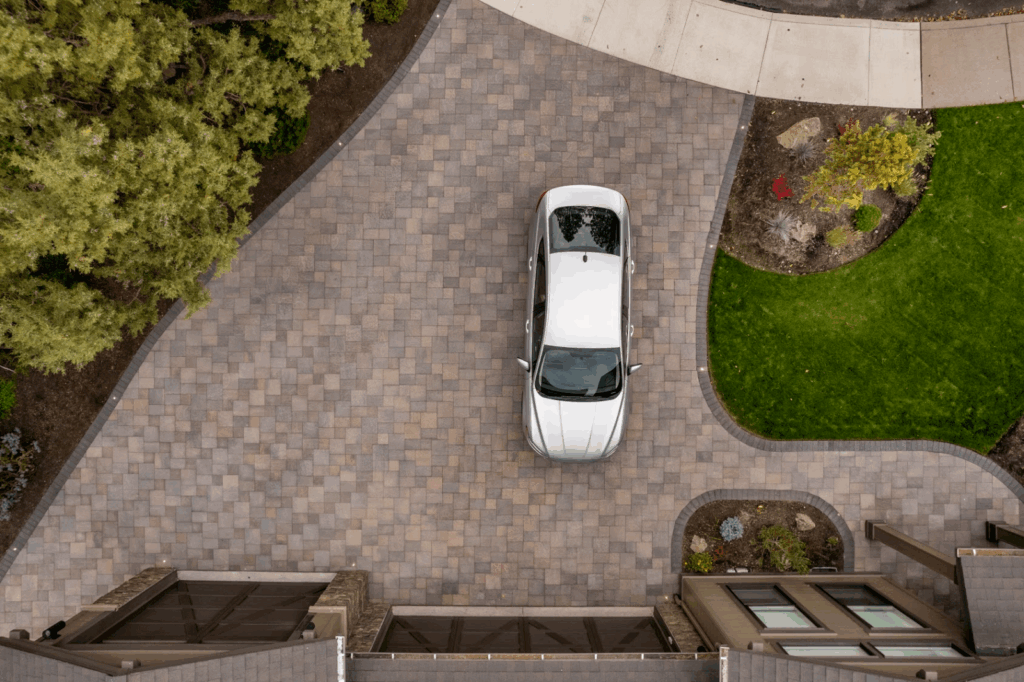
Building a Legacy of Beauty
Consistent sealing on the right schedule transforms paver maintenance from a chore into a simple routine that preserves your investment for generations. Understanding your specific conditions—traffic patterns, environmental factors, and material characteristics—enables you to develop a tailored maintenance schedule that ensures your paver driveway remains beautiful and functional for decades to come.
Western Interlock paver stones are engineered to last generations when properly maintained, and appropriate sealing represents the key to achieving that longevity. The small investment in regular maintenance pays substantial returns through preserved beauty, maintained property value, and avoided replacement costs.
Your paver driveway represents more than just a functional surface—it’s an investment in your home’s beauty and value that deserves protection. With proper sealing schedules based on your unique conditions, you can ensure this investment continues enhancing your property for years to come.
Ready to tackle your next hardscape project? Download our free Project Planning Guide to get started with confidence!
Get our FREE Project Planning Guide
Tell us where to send it and we’ll email the backyard planning guide to you right away!
"*" indicates required fields