
Get our FREE Project Planning Guide
"*" indicates required fields
Finding the right contractor transforms your paver project from a potential source of stress into a smooth experience that delivers beautiful, lasting results. While quality materials form the foundation of any hardscape project, proper installation determines whether those materials perform as designed for decades or develop problems within years. The difference between an expertly installed paver driveway and one plagued by settling, cracking, or drainage issues often comes down to the contractor you choose. This guide walks you through finding, vetting, and selecting a paver stone contractor who will protect your investment and bring your outdoor vision to life.
Where to Start Your Contractor Search
Western Interlock’s Certified Installer Program
The most direct path to a qualified contractor starts with Western Interlock’s Certified Installer Program. This program connects homeowners with contractors who have completed hands-on training specifically in Western Interlock products and proper installation techniques. These certified installers understand the specific requirements of our materials, from base preparation to joint sand selection to pattern installation that maximizes durability.
Starting your search with certified installers gives you confidence that the contractor understands both the products and the science behind successful hardscape installation. They’ve demonstrated commitment to quality by investing time in professional training and know how proper installation techniques affect long-term performance.
To find a certified installer near you, be sure to visit our certified installer locator.
Manufacturer and Dealer Referrals
Local Western Interlock dealers maintain ongoing relationships with contractors in your area and provide valuable referrals based on actual project experience. Dealers see firsthand which contractors order quality materials, ask informed questions, and maintain realistic project timelines. Their recommendations carry weight because their reputation depends on connecting customers with contractors who deliver quality results.
Visiting a dealer showroom provides the additional benefit of seeing products in person. During your visit, ask which contractors they recommend and why. Dealers often know which contractors specialize in specific project types and maintain high standards throughout installation.
To find a dealer near you, be sure to use our dealer locator.
Online Research and Professional Certifications
Digital research provides valuable insight into contractor reputation and work quality. Start with Google Business listings where you can read verified reviews from actual customers. Look for patterns in feedback rather than focusing on individual reviews. The Better Business Bureau offers another perspective through its rating system and complaint history. Even excellent contractors may have occasional complaints, but how they respond reveals their professionalism and accountability.
Platforms like Houzz and Angi allow you to browse contractor portfolios and see completed projects. Social media presence showing recent work provides additional evidence of active business operations. Red flags can include no online presence, exclusively negative reviews, or defensive responses to criticism. It’s always important to determine your own opinion as well. If you are hesitant about a contractor, reach out and get a feel for how they operate.
Professional certifications from organizations like the Interlocking Concrete Pavement Institute (ICPI) indicate a contractor’s commitment to expertise and industry standards. ICPI certification demonstrates investment in understanding proper installation methods, base construction, and long-term performance factors. Local landscaping associations also provide credibility markers, though certifications should be combined with other vetting steps rather than viewed as standalone decision factors.
Word of Mouth Recommendations
Personal recommendations from neighbors, friends, or family members who have completed similar projects carry significant weight. When you see a paver installation you admire in your neighborhood, asking the homeowner about their experience provides unfiltered insight into communication quality, adherence to timeline and budget, and overall satisfaction.
Local hardscape supply stores represent another valuable resource. These businesses observe contractors regularly and know which ones buy quality materials, understand proper installation requirements, and maintain good reputations in the trade community.
Vetting Potential Contractors
Essential Credentials to Verify
Before serious discussions begin, verify that any contractor you consider holds proper credentials. A valid contractor’s license issued by your state’s licensing board represents the baseline requirement. Most states allow online license verification where you can confirm status and check for complaints.
Current liability insurance protects you if the contractor damages your property during the project. Request a certificate of insurance directly from the contractor’s insurance company. Workers’ compensation coverage protects you from liability if a crew member is injured on your property. For larger projects, bonding provides additional financial protection if the contractor fails to complete your project.
Consider how long the contractor has been in business. While newer contractors can deliver quality work, experience matters in an industry where unexpected site conditions require problem-solving expertise.
Portfolio, References, and Specialization
Request to see recent projects similar to yours in scope and complexity. Before and after photos provide evidence of capability, but try to view completed projects in person when possible. Seeing installed work firsthand reveals details that photos might not capture.
Contact at least one recent reference from projects completed within the past year. Ask about communication quality, adherence to timeline and budget, how the contractor handled unexpected challenges, and overall satisfaction. Listen for enthusiasm in responses. Genuinely satisfied customers speak positively without hesitation.
The contractor you choose should specialize in hardscaping and paver installation rather than treating it as one service among many. Paver installation involves understanding soil mechanics, drainage engineering, base compaction standards, and pattern techniques that affect long-term performance. Be cautious of contractors who claim to do everything from landscaping to decks to fencing to pavers. You want a contractor whose primary business focuses on hardscaping.
Warning Signs to Watch For
Certain behaviors indicate potential problems. Pressure to sign immediately or claims of limited-time pricing create artificial urgency designed to prevent proper vetting. Requests for full payment or large deposits upfront signal financial instability. Standard practice involves payment schedules tied to project milestones, with substantial final payment held until completion.
Inability to provide written contracts, detailed proposals, or insurance documentation represents serious red flags. Reluctance to provide references indicates possible problems with past projects. Finally, bids significantly lower than other quotes deserve scrutiny rather than celebration. Extreme low bids often indicate planned shortcuts in base preparation, material quality, or installation technique that create expensive long-term problems.

Questions to Ask During Consultations
Asking the right questions helps you understand each contractor’s expertise, approach, and compatibility with your project needs. Experience is crucial. Ask how many paver projects they’ve completed in the past year and whether they have experience with your specific paver manufacturer. A contractor familiar with Western Interlock products understands the proper installation techniques for our specific materials.
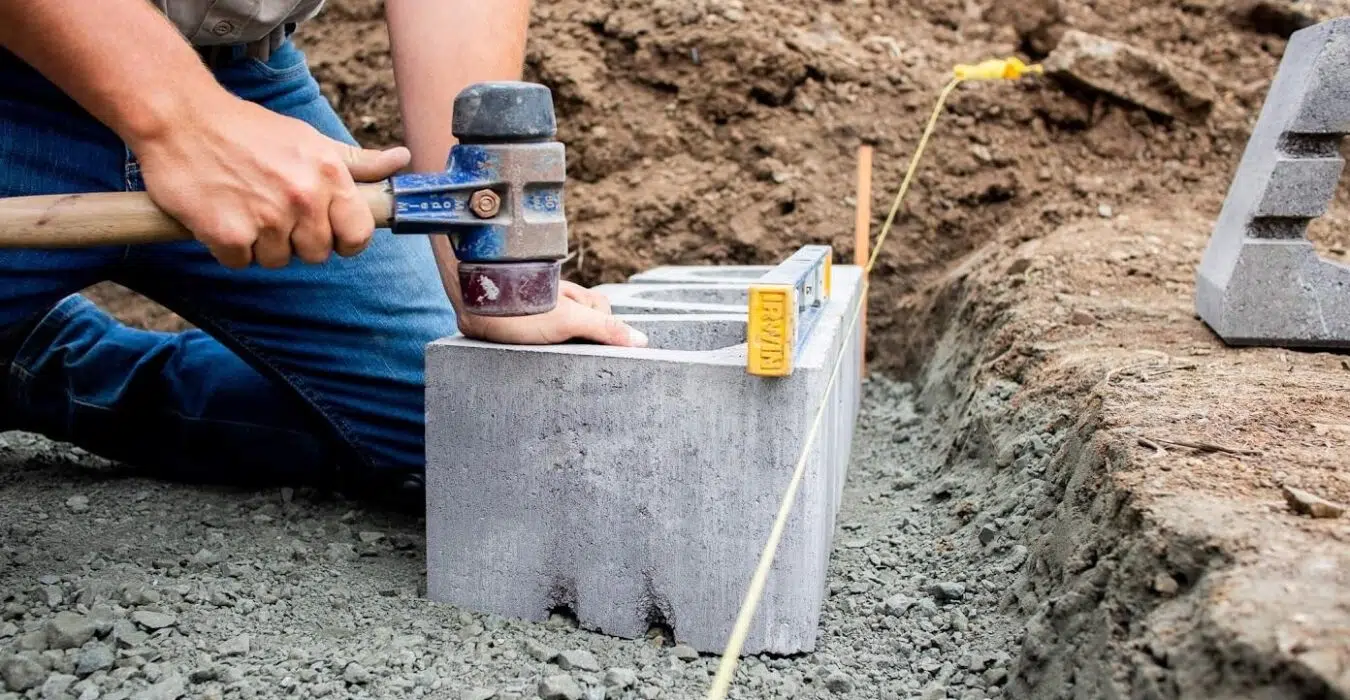
Understanding their process matters significantly. Ask them to explain their typical installation approach, particularly their base preparation methods. This is where shortcuts most often happen. A contractor should be able to explain excavation depth, base material specifications, compaction procedures, and how they ensure proper drainage. Vague or oversimplified answers suggest insufficient expertise.
Beyond these fundamentals, you’ll want to ask about warranties, timeline, payment schedules, and how they handle changes during the project. Our Project Planning Guide includes a comprehensive list of interview questions with guidance on what to look for in each answer, helping you thoroughly vet every contractor you consider.
Understanding Bids and Proposals
Get Multiple Quotes and Know What to Expect
Collecting multiple detailed bids allows you to understand fair market pricing while comparing contractor approaches. Aim for three to five bids from qualified contractors. Provide identical project specifications to each contractor so you’re comparing equivalent scopes of work.
A professional proposal provides detailed information about scope of work, including excavation depth, base material type and depth, bedding sand specifications, paver brand and model, pattern, edge restraint method, and joint sand type. Material specifications should identify paver manufacturer, specific product line, color, thickness, and quantities. This transparency prevents misunderstandings and allows you to verify quality materials rather than generic substitutes.
Timeline information should include anticipated start date, estimated completion date, and expected work schedule. Payment schedules should tie to project milestones rather than calendar dates. Common structures include a deposit at contract signing, payment upon completion of base preparation, payment when pavers are laid, and final payment after completion and your approval.
Warranty terms should cover both materials and installation. Material warranties come from the manufacturer, but installation warranties come from the contractor. The proposal should clarify who secures necessary permits and whether permit costs are included.
Comparing Bids Effectively
With multiple detailed proposals in hand, resist the temptation to simply choose the lowest price. Compare the detail level and thoroughness of each proposal. Vague proposals suggest vague execution, while detailed proposals indicate organized contractors who think through projects carefully.
Pay particular attention to base preparation specifications. This is where contractors most often cut costs through inadequate depth, improper materials, or insufficient compaction. Base construction determines long-term performance more than any other factor.
Note what each bid includes versus excludes. One contractor might include site cleanup and material removal while another lists these as additional charges. When significant price differences exist, understand why. Ask contractors to explain price differences you observe across bids.
Vague scope descriptions, proposals lacking material specifications, proposals without timelines or with unrealistic timelines, and payment schedules heavily weighted toward upfront payments all represent red flags that should give you pause.
Comparing multiple detailed proposals can be overwhelming. The Project Planning Guide includes a contractor comparison chart that helps you evaluate bids side-by-side, ensuring you’re comparing installation procedures, materials, warranties, and costs accurately.
Making Your Final Decision
While price matters, it shouldn’t be your only decision factor. Trust your instincts about communication and professionalism. A contractor’s responsiveness during the bidding process predicts how they’ll communicate during your project. Consider value over lowest price. The cheapest bid often becomes the most expensive when problems emerge. A moderately higher bid from a contractor with superior credentials, better communication, and more detailed proposals typically delivers better long-term value.
Once you’ve selected a contractor, insist on a detailed written contract before work begins. The contract should include all elements from the accepted proposal plus additional terms covering insurance, warranties, permits, change order procedures, and dispute resolution methods. Review the contract carefully. For large projects, consider having an attorney review it before signing. Both parties should sign and date the contract.
Stay involved throughout the project through regular site visits to monitor progress. Document the project with photos at various stages. Address concerns immediately when you notice something that doesn’t match expectations. Don’t make final payment until you’ve conducted a thorough walkthrough, verified that all work is complete and meets contract standards, and confirmed your satisfaction.
Conclusion
Finding the right paver stone contractor requires systematic research, careful vetting, and clear communication throughout the selection process. Quality installation by a skilled contractor protects your investment in premium Western Interlock materials, ensuring they perform as designed for decades.
Western Interlock’s Certified Installer Program provides a direct path to contractors trained specifically in proper installation techniques for our products. Thoroughly vet contractors through credential verification, reference checks, and detailed proposal comparison. Ask questions that reveal expertise and approach. Trust your instincts about professionalism and communication quality.
Download our Project Planning Guide for comprehensive contractor selection tools, including detailed interview questions, side-by-side comparison charts, and evaluation worksheets that simplify the entire selection process. With the right contractor and quality materials, your outdoor transformation becomes a smooth, satisfying experience that delivers lasting beauty and value.
Get our FREE Project Planning Guide
Tell us where to send it and we’ll email the backyard planning guide to you right away!
"*" indicates required fields