
Get our FREE Project Planning Guide
"*" indicates required fields
When planning or building a stone fire pit, one question consistently tops the list: “Do I need a fire pit liner?” It’s a practical concern that affects both your initial investment and long-term maintenance. The straightforward answer is that it depends on several factors specific to your situation. A liner isn’t universally necessary, but it offers distinct advantages in certain scenarios. Understanding the benefits, drawbacks, and key decision factors helps you make the right choice for your outdoor space. Whether you’re building a new fire pit or evaluating an existing one, this guide provides the context you need to decide confidently.
What Is a Fire Pit Liner?
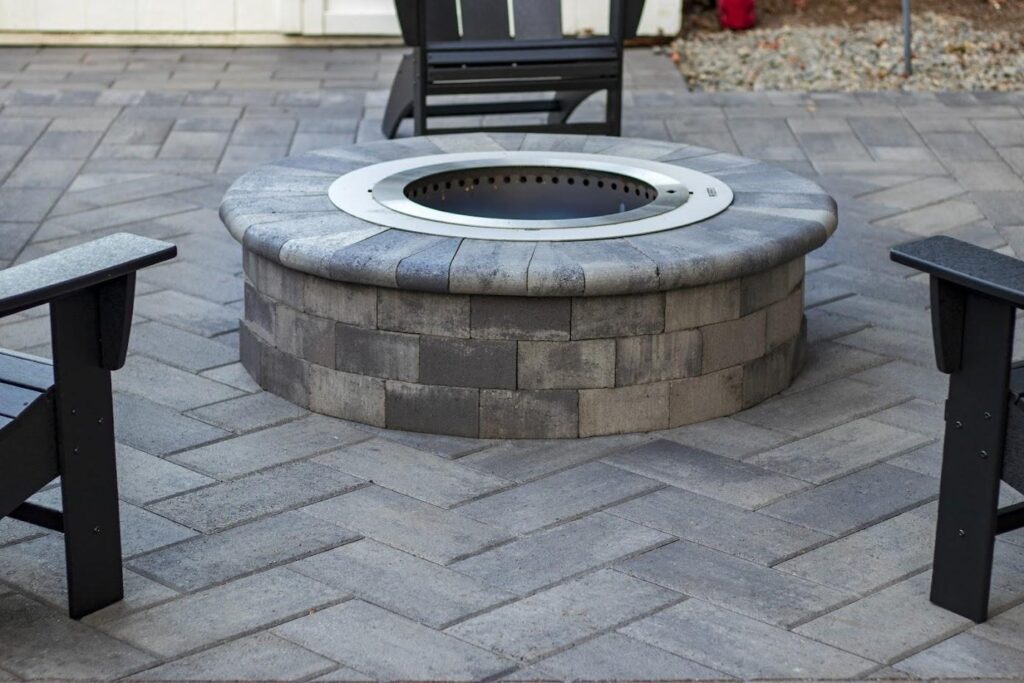
A fire pit liner is a metal insert that creates a protective barrier between the fire and your stone structure. The most common materials include steel rings, stainless steel inserts, and cast iron bowls. These liners sit inside your fire pit, typically extending from the base up to or just below the cap stones. Some liners are complete rings that circle the entire interior, while others are partial inserts that protect only the most exposed areas.
The primary function of a liner is straightforward: it absorbs and deflects the extreme heat of the fire, reducing direct exposure to your stone blocks and mortar joints. For stone and paver fire pits specifically—like those built with Western Interlock blocks—liners represent an optional layer of protection rather than a structural requirement. The decision to use one involves weighing protection benefits against cost, aesthetics, and maintenance considerations.
Benefits and Drawbacks of Using a Fire Pit Liner
Benefits
The most significant advantage of using a liner is heat protection. While quality stone blocks handle high temperatures well, a liner reduces direct heat exposure to your masonry. This protection extends the life of both your stone blocks and mortar joints by minimizing thermal stress. The repeated heating and cooling cycles that occur with each fire gradually wear on unprotected stone. A liner buffers these extreme temperature swings. This is particularly relevant during autumn and spring when you might start a fire on a cold evening or when rain suddenly hits hot stones. Metal absorbs and dissipates these shocks more effectively than stone.
Maintenance becomes considerably easier with a liner in place. Ash removal is simpler when you can lift out a metal insert or sweep ash from a smooth metal surface rather than scrubbing it from textured stone. Liners also protect your stone from the staining and discoloration that naturally occurs when ash mixes with moisture. The caustic nature of wet ash can etch stone surfaces over time, but a liner prevents this contact entirely.
An often-overlooked benefit is heat distribution. Metal liners reflect heat outward toward people sitting around the fire rather than allowing the stone to absorb it. This creates a more efficient fire that provides warmth where you want it rather than heating the mass of the stone structure itself.
Drawbacks
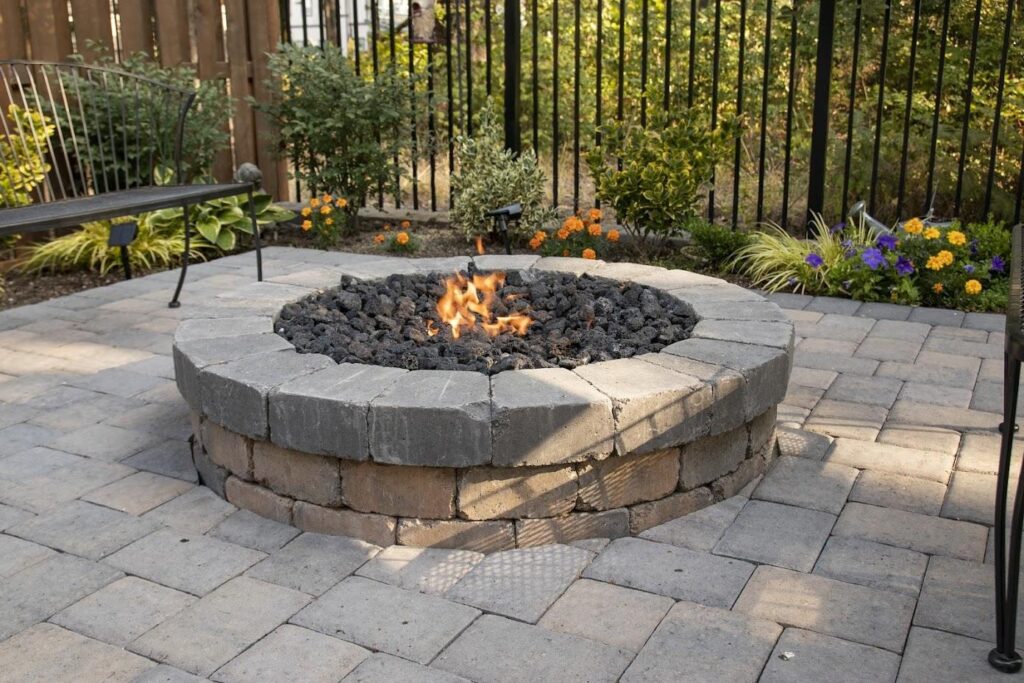
The most common objection to liners involves aesthetics. A visible metal rim changes the appearance of your fire pit, creating a distinct separation between the natural stone exterior and the metallic interior. Many homeowners prefer the authentic look of a traditional all-stone fire pit, where flames appear to rise directly from the stone itself. This design preference is entirely valid and shouldn’t be dismissed.
Initial cost presents another consideration. Quality liners add several hundred dollars to your project budget, with stainless steel options reaching the higher end of that range. While this investment provides long-term benefits, it represents a real cost that must fit within your overall budget. The quality of the liner matters significantly—inexpensive options may corrode quickly or fit poorly, creating more problems than they solve.
It’s also important to note that the liner itself requires maintenance. Metal liners don’t last forever; they eventually corrode and need replacement. Steel liners might need replacement every 5-10 years depending on usage and climate, while stainless steel lasts longer but costs considerably more upfront. This creates an additional ongoing maintenance consideration that a liner-free fire pit doesn’t have.
Finally, liners aren’t always necessary. High-quality stone blocks, like Western Interlock products, are engineered to handle high temperatures. When combined with proper construction techniques and appropriate mortar, these materials already manage heat effectively.
Key Factors That Determine Your Need
Fuel Type
The type of fuel you plan to burn plays the largest role in determining whether a liner makes sense. Wood-burning fires create the strongest case for using a liner. Wood fires reach temperatures exceeding 1,000 degrees Fahrenheit, produce substantial ash that requires regular removal, and create the most extreme thermal cycling. The combination of high heat and frequent maintenance makes liner protection particularly valuable for wood burners.
Gas fire pits operate differently. Whether using propane or natural gas, these fires burn cleaner and produce considerably less heat than wood. The flames are controlled and consistent, without the temperature spikes that stress stone and mortar. Ash isn’t a concern, and maintenance focuses mainly on keeping the burner clean. For gas fire pits, a liner provides minimal functional benefit beyond aesthetics if you prefer the look of a metal bowl.
Usage Frequency and Pattern
How often you use your fire pit directly affects whether liner benefits justify the cost. A fire pit used weekly throughout the year experiences significantly more wear than one lit occasionally for special gatherings. Heavy use accelerates every type of deterioration making protection more valuable.
Consider also whether you use your fire pit year-round or seasonally. Year-round use in varied weather conditions creates additional stress on materials. Starting fires on cold, wet winter evenings subjects stone to particularly harsh thermal shock. Conversely, a fire pit used only on pleasant summer evenings experiences relatively gentle conditions.
Material Quality and Construction
The quality of your stone blocks matters substantially in the liner decision. Premium blocks with high PSI ratings are denser and less porous, making them naturally more resistant to heat damage and water absorption. Western Interlock blocks are specifically engineered for high-temperature applications, with material properties that handle direct fire exposure effectively.
Construction technique plays an equally important role. Proper mortar selection and application, adequate drainage provisions, and correct block placement all contribute to heat management. A well-built fire pit using quality materials already incorporates heat resistance into its design. The liner becomes supplemental protection rather than essential infrastructure.
This doesn’t mean liners offer no value with premium materials, but it does mean the fire pit will perform well either way. The decision shifts from necessity to preference and long-term optimization.
Climate Considerations
Your local climate influences how weather interacts with fire pit materials. Regions with significant freeze-thaw cycles present particular challenges. Water absorbed by stone expands when it freezes, creating internal pressure that can crack blocks and deteriorate mortar. A liner reduces this moisture absorption by protecting the interior surface where most water contact occurs through ash and condensation.
Wet climates benefit from liners through reduced interior moisture exposure, even if freezing isn’t a concern. Conversely, hot, dry climates where freeze-thaw isn’t an issue see less climate-related benefit from liners, though heat protection remains relevant.
Budget and Long-Term Plans
Budget considerations involve both initial investment and long-term value. A quality stainless steel liner might cost $400-600 or more, which is substantial but represents a fraction of your total fire pit investment. This upfront cost buys years of reduced maintenance and extended structure life. If your budget is tight, starting without a liner remains a viable option and you can always add one later based on how your fire pit performs.
Your long-term plans for the fire pit matter too. If you’re building a permanent feature you intend to use for decades, a liner investment makes more sense than for a temporary or short-term installation. Consider also that a well-maintained fire pit with a liner might add value if you sell your home, though this varies by market and buyer preferences.
Making Your Decision
When a Liner Makes Most Sense
Certain scenarios create a clear case for using a fire pit liner. If you plan to burn wood frequently (weekly or more) the combination of high heat and heavy use justifies liner protection. The reduced maintenance burden alone provides significant value when you’re cleaning ash multiple times per month.
Harsh climates with significant freeze-thaw cycles benefit substantially from the moisture protection liners provide. When you’re already managing challenging weather conditions, reducing interior moisture exposure helps preserve your investment.
If your budget comfortably accommodates a quality liner and you value minimizing future maintenance, the upfront investment pays ongoing dividends. The key is “quality”—a premium stainless steel liner that lasts 20+ years provides better value than a cheaper option requiring replacement every few years.
When You Can Skip the Liner
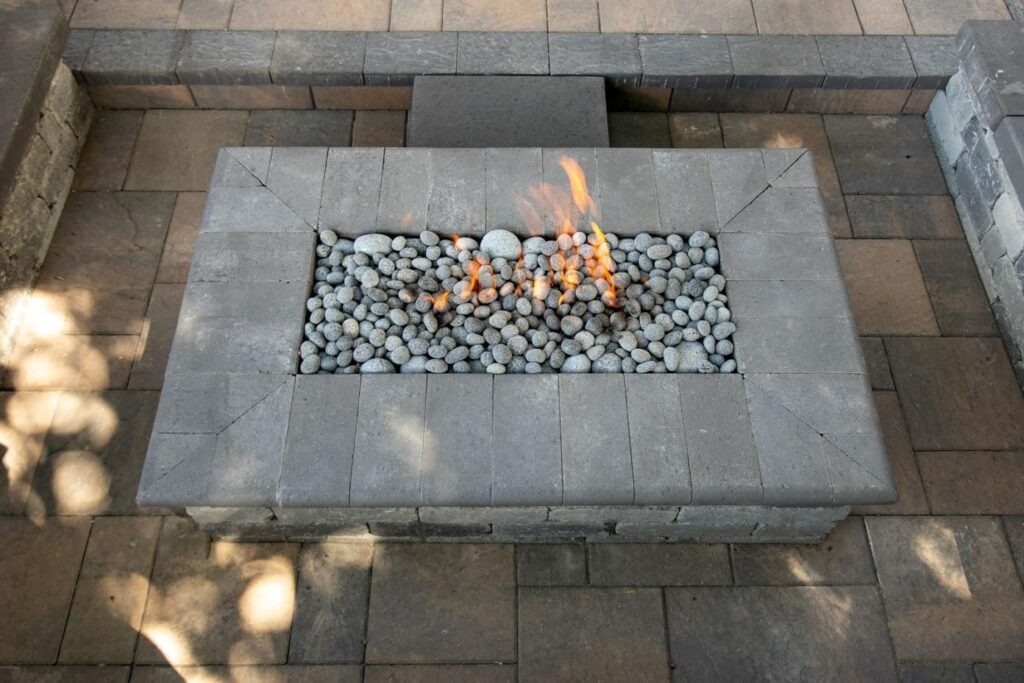
Gas fire pit owners can reasonably skip liners in most cases. The lower heat output and clean burning nature of gas reduces the protective value liners provide. If you prefer the aesthetic of exposed stone and are using quality blocks designed for fire pit applications, gas burning without a liner works well.
Occasional use fire pits don’t experience the accumulated wear that makes liner protection valuable. The cost-benefit calculation shifts when you’re not subjecting materials to regular thermal cycling.
If the traditional stone appearance is important to your design vision, that’s a legitimate reason to forego a liner. Aesthetics matter in outdoor spaces, and many beautifully aged stone fire pits have served families for decades without metal inserts.
The Flexible Approach
One often-overlooked option is starting without a liner and adding one later if needed. After your first season of use, you’ll understand exactly how your fire pit performs, how much maintenance it requires, and whether heat stress is creating issues. Retrofitting a liner into an existing fire pit isn’t difficult and requires no demolition or reconstruction, just proper sizing and placement.
If you do add a liner later or choose to install one initially, professional installation ensures proper fit and function. The liner must be sized correctly to fit your fire pit interior with appropriate clearance for thermal expansion. Too tight, and the expanding metal can put pressure on your stone; too loose, and it won’t provide adequate protection. For guidance on the foundation and base of your fire pit—which affects liner installation—refer to our article on what to put at the bottom of your stone fire pit.
Conclusion
The liner question doesn’t have a universal answer because fire pits serve different purposes in different environments. Your decision should reflect your specific fuel type, usage patterns, climate conditions, and budget. Wood burners who use their fire pits frequently gain clear benefits from liner protection, while occasional gas fire pit users may see little practical advantage.
What matters most is building with quality materials and proper construction techniques. Western Interlock blocks are engineered to perform in high-temperature applications, whether you choose to use a liner or not. Both approaches can result in a beautiful, durable fire pit that serves your family for decades.
Consider your priorities: Do you value easiest possible maintenance? A liner helps. Is authentic stone appearance paramount? Skip the liner. Somewhere in between? Assess after your first season and add one if needed. The flexibility to make this choice based on real-world performance gives you control over optimizing your investment.
Ready to plan your stone fire pit project, or considering other hardscape features for your outdoor space? Download our Project Planning Guide to explore design options and learn how Western Interlock’s materials create lasting outdoor spaces that bring families together.
Get our FREE Project Planning Guide
Tell us where to send it and we’ll email the backyard planning guide to you right away!
"*" indicates required fields