

Get our FREE Project Planning Guide
"*" indicates required fields
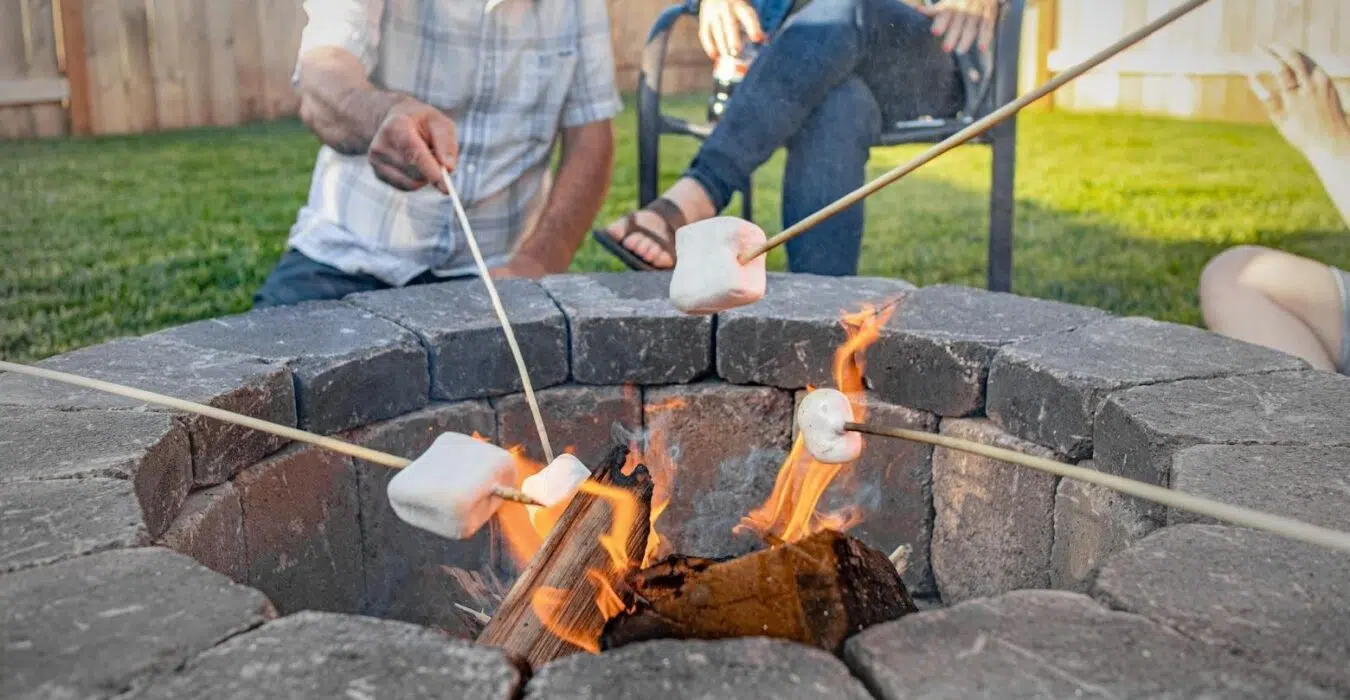
A well-built stone fire pit serves as more than just a backyard feature—it becomes the heart of outdoor gatherings, where stories are shared, marshmallows are roasted, and memories span generations. When you’ve invested in a quality stone fire pit from Western Interlock, you’ve chosen materials designed to endure decades of Pacific Northwest weather and countless family gatherings. However, even the most durable stone fire pit requires proper maintenance to keep its beauty and functionality over the years. Understanding common issues and implementing preventive maintenance ensures your fire pit remains a stunning centerpiece that your grandchildren will gather around just as you do today.
Understanding Your Stone Fire Pit’s Needs
Stone fire pits face unique challenges that set them apart from other hardscape features in your outdoor space. While a patio or walkway endures foot traffic and weather, your fire pit must withstand extreme temperature fluctuations—from ambient temperature to over 1,000 degrees Fahrenheit and back again, sometimes multiple times in a single evening. This thermal cycling, combined with exposure to rain, snow, and frost, creates stress that no other hardscape element experiences.
The paver blocks that form your fire pit’s structure respond to these conditions through constant expansion and contraction. The inner surface of the blocks faces direct flame and extreme heat, while the outer surface remains relatively cool. Mortar joints flex and move, caps and coping stones bear the brunt of weather exposure, and the entire structure must manage water drainage while containing fire safely.
Quality materials make a significant difference in maintenance requirements. Western Interlock’s stone blocks, engineered for durability and density, resist cracking and deterioration better than standard materials. The high PSI rating of premium blocks means they’re less porous, reducing water absorption and freeze-thaw damage. This initial investment in quality translates directly to reduced maintenance needs and longer intervals between major repairs.
Common Fire Pit Issues and Warning Signs
Structural Problems
The most serious issues affecting stone fire pits involve structural integrity. Loose or shifting blocks often appear first at the top courses, where temperature fluctuations are most extreme. You might notice blocks that rock slightly when touched or gaps opening between stones that weren’t there before. These issues typically start small but accelerate quickly if left unaddressed.
Cracks in mortar joints represent another critical warning sign. While hairline cracks are normal and largely cosmetic, cracks wider than 1/8 inch or those that continue to grow indicate movement in the structure. Horizontal cracks are particularly concerning, as they often signal that blocks are shifting under load.
Leaning or settling issues manifest as a fire pit that no longer sits level. You might notice water pooling on one side of the fire pit floor or see that the top ring appears tilted. This settling can result from inadequate base preparation, erosion, or freeze-thaw cycles affecting the foundation.
Surface Deterioration
Discoloration from heat and smoke is normal and even adds character, but excessive blackening or white, chalky deposits might indicate problems. The white residue, called efflorescence, occurs when water carries salts through the stone to the surface. While harmless itself, efflorescence signals excess moisture in your fire pit structure.
Staining from ash and debris becomes problematic when it penetrates the stone surface. Ash mixed with water creates a caustic solution that can etch stone surfaces and accelerate deterioration. Spalling, where the stone surface flakes or chips away, indicates that water has penetrated the stone and caused freeze-thaw damage. This is particularly common on horizontal surfaces like caps where water tends to pool.
Functional Concerns
Drainage problems reveal themselves through standing water in the fire pit after rain or slow drainage through weep holes. Poor drainage accelerates every other type of damage, from freeze-thaw deterioration to efflorescence.
Heat damage to the paver blocks themselves occurs when fires consistently burn too hot or too large. You’ll notice this as discoloration spreading through the blocks, micro-cracks on the inner surface, or blocks that sound hollow when tapped. Damaged caps or coping stones compromise both appearance and function, allowing water to penetrate the wall structure below.
Essential Maintenance Schedule
After Each Use
Proper maintenance starts with how you treat your fire pit after each fire. Allow the fire to burn down completely and let ashes cool for at least 24 hours before removal. Once cooled, remove ashes with a metal shovel and dispose of them in a metal container. After ash removal, perform a quick visual inspection for any new cracks, loose stones, or unusual discoloration.
Monthly Tasks
Monthly deep cleaning prevents buildup that can damage stone surfaces. Remove all loose debris, then clean with a solution of mild dish soap and warm water. Scrub surfaces with a stiff-bristled brush, paying attention to corners and joints where debris accumulates.
Inspect mortar joints closely during monthly cleaning. Press on blocks to check for movement, and look for gaps or cracks in mortar. Check that drainage holes remain clear. This is also the time to inspect the inner surface of the blocks for heat stress, looking for any unusual cracking or deterioration patterns.
Seasonal Maintenance
Spring maintenance prepares your fire pit for heavy summer use. Remove any winter covers and inspect for damage from freeze-thaw cycles. Clean thoroughly to remove winter grime, and check that all drainage systems function properly. This is the ideal time to reseal stone surfaces if needed.
Summer requires vigilance about heat stress and heavy use. Monitor for new cracks that might develop from thermal cycling. Keep vegetation trimmed back from the fire pit area to maintain proper airflow and reduce fire hazards.
Fall preparation protects against winter damage. Clean out all organic debris that could trap moisture. Inspect and repair any mortar cracks before freezing weather arrives. Ensure drainage systems are clear to prevent water from freezing in the structure.
Winter weatherization depends on your climate and usage patterns. In areas with severe winters, consider using a breathable cover that prevents snow accumulation while allowing moisture to escape. We do not recommend the use of plastic tarps that trap moisture.
Annual Deep Maintenance
Annual inspection helps catch developing problems early. Check structural integrity by examining each block for movement or damage. Assess mortar condition throughout the structure, paying special attention to areas that experience the most heat exposure.
Resealing should occur every 2-3 years, depending on weather exposure and use frequency. Choose a breathable sealer designed for high-temperature applications. The inner surface of the blocks may need more frequent sealing due to heat exposure.
Preventive Care Best Practices
Proper Use Guidelines
The type of fuel you burn significantly affects maintenance needs. Hardwoods burn cleaner and produce less creosote than softwoods. Avoid burning treated lumber, which releases toxic chemicals that can damage stone and mortar. Never use accelerants beyond standard fire starters.
Temperature management extends fire pit life. Avoid creating excessively large fires that overheat the structure. The fire should remain within the fire bowl, not reaching up toward the cap stones. If blocks feel uncomfortably hot to touch on the outside, your fires are too large.
Weather Protection
Quality covers provide essential protection but must be breathable to prevent moisture buildup. Custom-fitted covers work better than universal options. Ensure the surrounding area slopes away from the fire pit to prevent water accumulation. Managing freeze-thaw cycles requires keeping your fire pit as dry as possible, especially before freezing weather.
Cleaning Techniques
Safe cleaning products preserve stone integrity while removing buildup. Mild dish soap handles most cleaning needs. For tougher stains, use cleaners specifically designed for natural stone. Avoid acidic cleaners like vinegar or citrus-based products, which can etch stone surfaces.
Efflorescence requires special attention—dry brushing often works better than wet cleaning for removal. Address the underlying moisture problem to prevent recurrence. Never use wire brushes on stone faces, as they can scratch and damage the surface.
Addressing Repairs Before They Escalate
Knowing when to tackle repairs yourself versus calling a professional saves both money and prevents further damage. Small mortar cracks, minor efflorescence, and surface staining are typically DIY-appropriate. Keep basic repair supplies on hand: matching mortar, stone sealer, and appropriate cleaners.
Structural issues require professional attention. If blocks have shifted significantly, if you see major settling, or if large sections of mortar have failed, professional repair prevents collapse and ensures safety. For detailed stone care techniques that apply to both fire pits and retaining walls, refer to our comprehensive retaining wall block maintenance guide.
Long-Term Protection Strategies
Creating a comprehensive protection plan ensures your fire pit ages gracefully while maintaining structural integrity. Apply high-temperature rated sealer every 2-3 years, focusing on areas with the most exposure to heat and weather. Keep a maintenance log to track cleaning, repairs, and observations. This history proves invaluable for scheduling preventive care and identifying developing patterns. Consider upgrading components like adding stainless steel fire rings or high-temperature mortar during routine maintenance to extend the overall structure life.
Conclusion
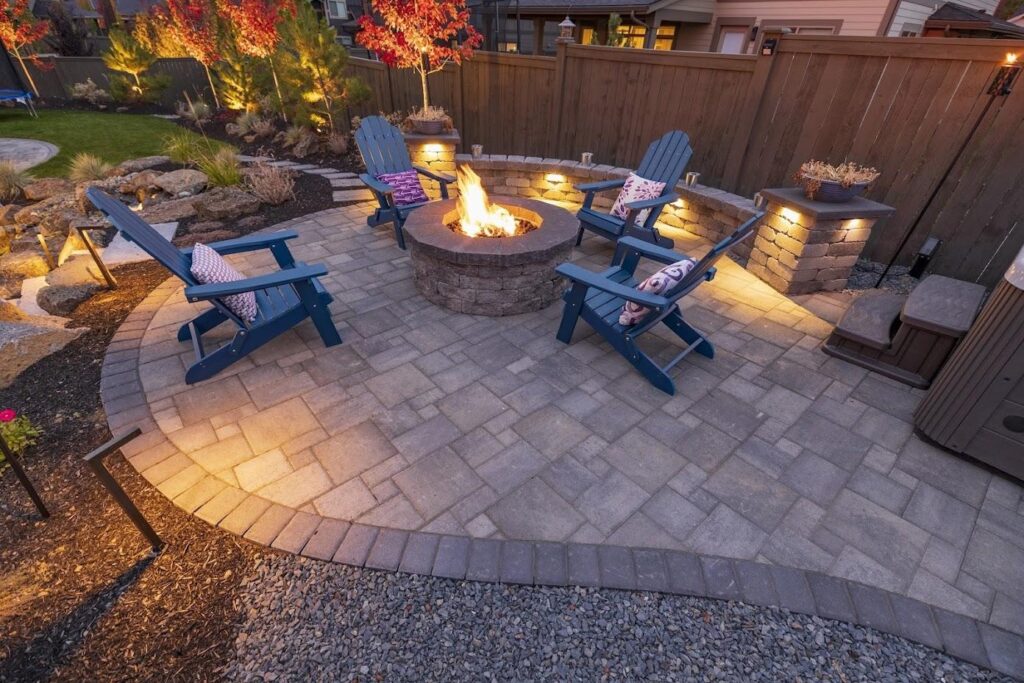
A stone fire pit is an investment in countless gatherings, conversations, and memories that span generations. Through consistent maintenance, your fire pit will age gracefully, developing character while maintaining its structural integrity and safety. The key principles are simple: keep it clean, keep it dry, and address small problems before they become large ones.
Quality materials from Western Interlock provide the foundation for longevity, but your maintenance makes the difference between a fire pit that lasts decades and one that deteriorates prematurely. By following these guidelines, you ensure that your fire pit remains a beautiful, functional centerpiece for outdoor living.
Ready to add a stone fire pit to your outdoor space, or planning a larger hardscape project? Download our Project Planning Guide to explore design options and learn how Western Interlock’s materials create lasting outdoor spaces that bring families together.
Get our FREE Project Planning Guide
Tell us where to send it and we’ll email the backyard planning guide to you right away!
"*" indicates required fields